What’s New in Smart Home Tech
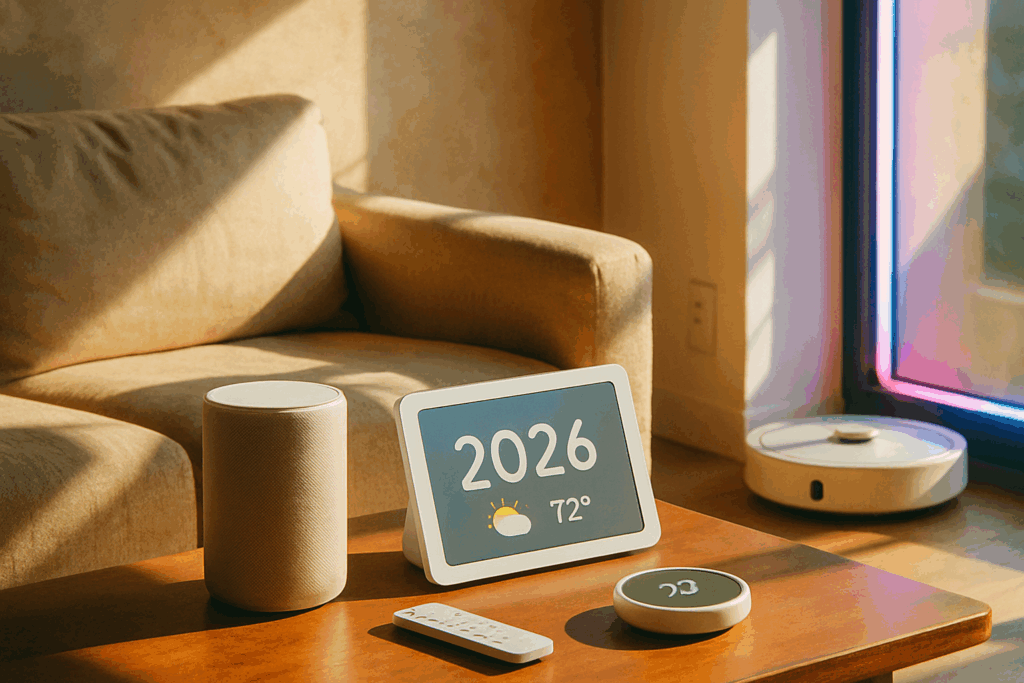
The smart home space in 2026 isn’t just growing it’s evolving in ways that make daily life more streamlined, secure, and interconnected. This year’s innovations focus less on shiny gadgets and more on how well devices work together behind the scenes. Here’s what sets the 2026 lineup apart:
A Step Beyond: How 2026 Improves on Previous Years
Compared to earlier generations of smart home tech, this year emphasizes:
Simpler integrations across brands and platforms
Smarter device coordination, reducing manual input
Enhanced privacy through local data processing and anonymized analytics
These changes represent a shift from isolated, app driven setups to unified ecosystems that learn from your habits and respect your boundaries.
Smarter AI, Tighter Ecosystem Integrations
Artificial Intelligence continues to play a central role in smart home functionality. In 2026, expect:
Proactive automation: Devices anticipate routines instead of waiting for your command
Cross platform syncing: Seamless performance whether you’re using Apple HomeKit, Google Home, or Alexa enabled systems
Localized processing: Faster actions and more security by handling data on device when possible
These features result in a more anticipatory smart home one that adapts to your preferences without compromising speed or privacy.
New Standards Shaping Compatibility
To address the fragmentation of previous years, 2026 brings stronger adherence to universal standards:
Matter: Now widely adopted, ensuring better cross device compatibility
Zigbee updates: Offering improved range, security, and energy efficiency
Thanks to these improvements, setup is simpler and multi brand homes finally feel like truly cohesive environments. Instead of juggling half a dozen apps, you control everything from one interface regardless of manufacturer.
In short, smart home living in 2026 isn’t just more capable it’s more intuitive, more reliable, and much easier to trust.
Smart Hubs & Assistants
Smart hubs and voice assistants continue to serve as the central nervous system of any smart home. In 2026, the best devices have become faster, more private, and more conversational than ever before.
Top Picks for Seamless Automation and Voice Control
Google Nest Hub Max (2026 Edition): Enhanced local processing and smarter routines.
Amazon Echo Pro: Improved far field microphones and lightning fast commands.
Apple HomePod 3: Deeper integration with iOS and new gesture based controls.
Unified Ecosystem Compatibility
Modern hubs now support Matter and updated Zigbee protocols for broader compatibility.
Many top tier devices now work fluidly across Apple HomeKit, Google Home, and Amazon Alexa, reducing the need to commit to a single ecosystem.
Privacy and Processing Upgrades
New smart displays feature on device AI for greater privacy.
Camera covers and voice data toggles are now standard.
Local only modes allow basic functionality without an internet connection.
Home Security & Monitoring
Security devices in 2026 have embraced AI not just for convenience, but for proactive protection.
Advanced Camera Capabilities
Facial recognition differentiates between family, friends, and strangers.
Custom alerts allow for more specific notifications, such as known person arrivals or delivery drop offs.
Smarter Doorbells
New models like the Ring Vision X feature package tracking integration that syncs with major delivery providers.
Night vision and HDR technology ensure clear recordings regardless of lighting conditions.
Next Gen Motion Sensors
AI powered sensors cut down on false alerts from pets or routine traffic.
Integration with smart lighting and cameras provides total perimeter awareness.
Energy & Climate Management
With rising energy costs and increased demand for greener solutions, smart climate technology has seen major innovation.
Intelligent Thermostats
Devices like the Nest Learning Thermostat Gen 4 learn your habits and adjust automatically for efficiency.
Geofencing capabilities ensure your home is comfortable whether you’re arriving or away.
Plugs and Power Insights
Smart plugs now feature real time energy usage dashboards, making it easier to track consumption.
Many include built in surge protection and overload alerts.
Solar Meets Smart
Solar integrated panels sync with your home’s smart system to optimize energy usage.
Advanced inverters communicate directly with thermostats, plugs, and home batteries.
Lighting & Entertainment
Smart lighting and entertainment gear in 2026 are more immersive, intuitive, and resilient.
Adaptive Lighting Automation
Smart bulbs like the Hue Ambient Pro adjust based on time of day, weather, and user behavior.
Presets and motion based triggers now offer a smoother experience across rooms.
Offline Functionality
New bulbs and switches from brands like Lutron come with no Wi Fi fallback modes, keeping lights functional in an outage.
Setup and scheduling remain accessible even without a cloud connection.
Whole Home Audio Enhancements
Multi room systems now support dynamic room tracking, following users via voice or device handoff.
Integration with voice assistants allows seamless audio transitions, whether you’re starting a podcast in the kitchen or switching music in the living room.
Check out the full list of must have smart gadgets for even more picks!
Choosing What’s Right for Your Space

Smart home technology is more versatile than ever, but that doesn’t mean every device is the right fit for every home. Before you invest, take time to evaluate what actually aligns with your needs, habits, and long term plans. Here’s how to choose wisely in 2026.
Key Questions to Ask Before Buying
Before hitting that purchase button, ask yourself:
Is it compatible with your current ecosystem?
Will your new device play well with Apple HomeKit, Google Home, or Alexa?
How future proof is it?
Look for devices that can receive firmware updates or support evolving standards like Matter or Zigbee.
What are the privacy controls?
Does it offer local processing, data encryption, or customizable permissions?
Getting clear on these factors early helps ensure your smart setup evolves with minimal friction and keeps your data more secure.
Going Premium: When It’s Worth It
Higher end smart home devices can come with hefty price tags. But sometimes, the added features and peace of mind make them worth the cost:
Security systems: Facial recognition and real time notifications can justify a bigger investment.
Energy management tools: Premium thermostats and solar integrated systems may pay for themselves over time.
Multi platform support: Top tier hubs and smart assistants often offer better cross brand integration.
Spend where it improves long term usability or avoids the need for replacing devices down the line.
Avoiding Ecosystem Lock In in 2026
One of the biggest risks in smart home tech is putting all your eggs in one (brand’s) basket. In 2026, open standards are helping but beware of full lock in:
Choose Matter compatible devices to ensure cross platform functionality.
Avoid brand exclusive features that require you to buy into an entire ecosystem.
Keep your core devices flexible, like choosing bridges and hubs that can adapt over time.
A modular, brand agnostic approach can help you future proof your setup while staying open to what’s next.
Making a smart home work for your lifestyle is less about the flashiest tech and more about thoughtful upgrades tailored to your habits.
Final Call: Betting on the Right Tech
Smart home living isn’t about cramming your space with gadgets it’s about choosing what solves real problems. The smartest strategy? Start small. Pick one or two devices that streamline daily routines: maybe a learning thermostat that actually cuts your energy bill, or a voice assistant hub that ties fragmented tech into a single command center. Get a feel for what integrates smoothly and what feels like friction.
From there, scale with purpose. Expand based on how you live, not just what’s trending. If security matters most, prioritize AI cameras and smart locks. If you’re focused on sustainability, look at energy monitoring plugs and climate controlled systems.
Devices that typically bring the best returns on daily convenience and savings: smart thermostats, lighting systems with automation, and central voice assistant hubs. These make clear impacts and offer real cost or time savings right away.
Want more? Explore more must have smart gadgets to round out your setup.
Buy deliberate. Build slow. Get smarter as you grow.

 Roys Chamblisster has opinions about tech news and innovations. Informed ones, backed by real experience — but opinions nonetheless, and they doesn't try to disguise them as neutral observation. They thinks a lot of what gets written about Tech News and Innovations, Tech Product Reviews, Practical Software Tips is either too cautious to be useful or too confident to be credible, and they's work tends to sit deliberately in the space between those two failure modes.
Reading Roys's pieces, you get the sense of someone who has thought about this stuff seriously and arrived at actual conclusions — not just collected a range of perspectives and declined to pick one. That can be uncomfortable when they lands on something you disagree with. It's also why the writing is worth engaging with. Roys isn't interested in telling people what they want to hear. They is interested in telling them what they actually thinks, with enough reasoning behind it that you can push back if you want to. That kind of intellectual honesty is rarer than it should be.
What Roys is best at is the moment when a familiar topic reveals something unexpected — when the conventional wisdom turns out to be slightly off, or when a small shift in framing changes everything. They finds those moments consistently, which is why they's work tends to generate real discussion rather than just passive agreement.
Roys Chamblisster has opinions about tech news and innovations. Informed ones, backed by real experience — but opinions nonetheless, and they doesn't try to disguise them as neutral observation. They thinks a lot of what gets written about Tech News and Innovations, Tech Product Reviews, Practical Software Tips is either too cautious to be useful or too confident to be credible, and they's work tends to sit deliberately in the space between those two failure modes.
Reading Roys's pieces, you get the sense of someone who has thought about this stuff seriously and arrived at actual conclusions — not just collected a range of perspectives and declined to pick one. That can be uncomfortable when they lands on something you disagree with. It's also why the writing is worth engaging with. Roys isn't interested in telling people what they want to hear. They is interested in telling them what they actually thinks, with enough reasoning behind it that you can push back if you want to. That kind of intellectual honesty is rarer than it should be.
What Roys is best at is the moment when a familiar topic reveals something unexpected — when the conventional wisdom turns out to be slightly off, or when a small shift in framing changes everything. They finds those moments consistently, which is why they's work tends to generate real discussion rather than just passive agreement.