
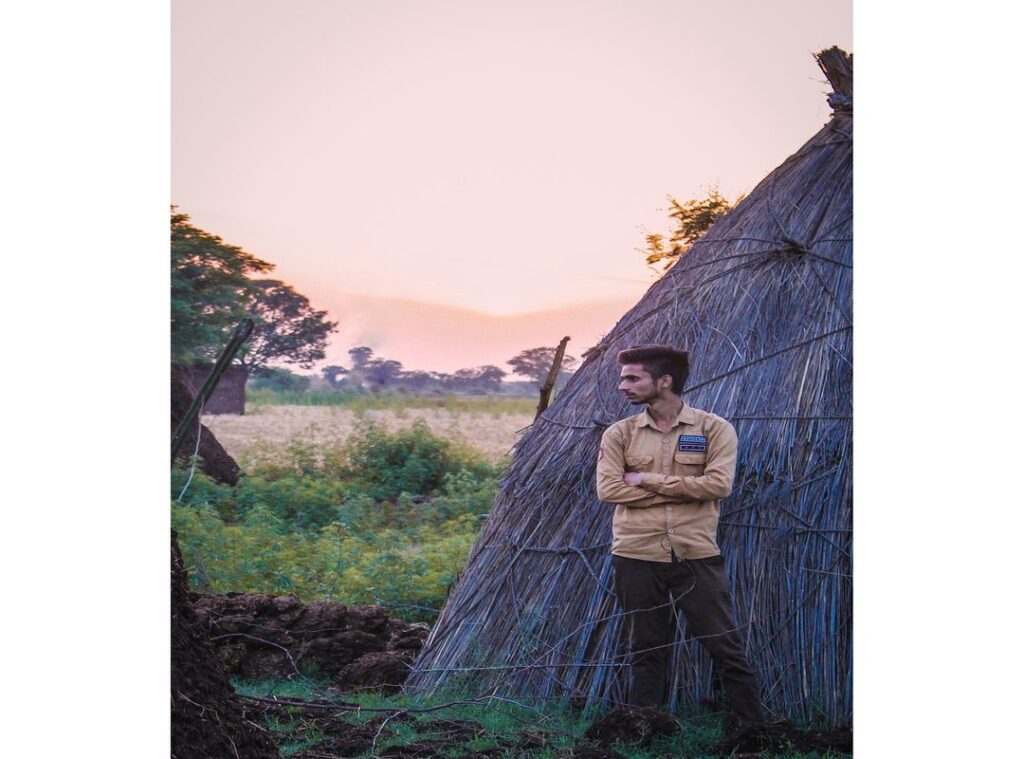
What if a small village held the key to a significant chapter of Punjab’s history? Laltu village in the SAS Nagar (Mohali) district of Punjab, India, is just such a place.
This article will explore its precise location, deep historical roots, and a snapshot of modern life. We’ll also look at key landmarks that make Laltu unique.
Expect a comprehensive guide that goes beyond a simple map location. You’ll get a real sense of the character and significance of this hidden gem.
Pinpointing Laltu: Location and Geographical Context
I remember the first time I visited Laltu village. It was a crisp morning, and the sun was just starting to warm up the fields.
Laltu village is located in the Dera Bassi tehsil of SAS Nagar district. Its exact geographical coordinates are 30.5876° N, 76.4521° E.
The village is strategically close to major urban centers. It’s about 20 kilometers from Chandigarh, 15 kilometers from Mohali, and 10 kilometers from Zirakpur. This proximity makes it a convenient spot for those who want a bit of rural charm but still need access to city amenities.
To get to Laltu, you can use National Highway 7 (NH7) or the local roads that connect it to the main highway. The nearest major road is the Chandigarh-Patiala Road, which is well-maintained and easy to navigate.
The surrounding landscape is a patchwork of fertile agricultural plains. Wheat, rice, and sugarcane are the main crops grown here. The green fields stretch as far as the eye can see, and during harvest season, the air is filled with the sweet scent of ripening grain.
Being on the fringe of a major urban area has its perks. Laltu benefits from better connectivity and infrastructure. For instance, mobile networks and internet services are more reliable here compared to some other rural areas.
For those traveling by train, the nearest railway station is in Dera Bassi, which is just a short drive away. If you’re flying in, the closest airport is Chandigarh International Airport, about 25 kilometers from the village.
Laltu village in Punjab is a perfect blend of rural tranquility and urban convenience.
The Rich History and Enduring Legacy of Laltu
When I first visited Laltu, I was struck by its quiet, unassuming nature. But beneath that surface lies a rich history, especially its connection to the Sikh warrior Banda Singh Bahadur in the early 18th century.
The Battle of Chappar Chiri was a turning point. Laltu served as a strategic camp for the Sikh forces. It was a staging point where they planned and prepared for their campaigns against the Mughals.
I remember thinking, how could such a small village play such a significant role? But it did. And it’s a reminder that sometimes, the most pivotal moments happen in the least expected places.
The origin of the village’s name is a bit of a mystery. Some local folklore suggests it might be derived from a prominent family or a historical event. But no one knows for sure.
It’s one of those things that adds to the charm and intrigue of the place.
There are a few historical structures and ruins in Laltu that date back to this period. They’re not major tourist spots, but they hold a lot of significance for the locals. One of them is an old fort wall, now mostly in ruins, but still standing as a testament to the past.
- The old fort wall.
- A small, ancient well.
- Remnants of what might have been a gurdwara.
These sites, though modest, are a tangible link to the village’s past. They remind us of the battles fought and the lives lived here centuries ago.
Laltu’s identity has been deeply shaped by this historical legacy. It’s a place of pride for the villagers, who often recount stories of Banda Singh Bahadur and his bravery. This connection to Sikh history is a source of strength and unity for the community.
Tracing the evolution of the village through different eras, you can see the layers of history. From the Mughal period, through British rule, and into modern India, Laltu has adapted and changed. Yet, it still holds onto its roots and the stories that define it. laltu village in punjab
laltu village in punjab is more than just a place on a map. It’s a living, breathing part of history. And every time I visit, I’m reminded of the lessons it teaches: resilience, pride, and the enduring power of a community’s shared past.
A Glimpse into Daily Life and Culture in Laltu Today
Laltu, a small village in Punjab, is home to around 1,500 people. The main communities here are primarily Sikh and Hindu, with a close-knit social fabric.
The local economy has seen a shift. While agriculture remains a significant part of life, many residents now commute to nearby cities like Mohali and Chandigarh for work. “It’s a bit of a drive, but the jobs pay better,” said Raj, a local farmer who works in Mohali during the week.
Festivals are a big deal in Laltu. Vaisakhi, Lohri, and other religious events bring the community together. “Lohri is my favorite.
We gather around the bonfire, sing, and share sweets. It’s a time when everyone feels connected,” shared Priya, a young resident.
Infrastructure in the village includes a government school, a primary health center, and a bustling local market. The school, though basic, is a hub of activity. “We have some great teachers here.
They really care about the kids,” mentioned Mr. Singh, a parent.
The village Panchayat plays a crucial role in local governance. “They help resolve disputes and organize community events. Everyone respects their decisions,” said an elder at the local gurdwara.
Modernization is slowly changing traditional village life. Proximity to urban areas means more exposure to new ideas and technologies. Yet, the strong sense of community remains.
“We embrace the new, but we also hold on to our traditions. It’s a balance,” explained Kavita, a long-time resident.
In laltu village in punjab, this blend of old and new creates a unique and vibrant culture.
Key Landmarks and How to Visit Laltu Village

Laltu village in Punjab is a hidden gem, with a rich history and culture that’s worth exploring. The primary Gurdwara here is a must-visit. It’s not just a place of worship; it’s the heart of the community.
- Gurdwara: A serene and spiritual site.
- Historical Sites: Explore the old havelis and local bazaars for a glimpse into the past.
The best time to visit is during the cooler months, from October to March. Summer can be scorching, and the monsoon season makes travel tricky. Trust me, you don’t want to be caught in the rain or heat.
Getting to Laltu from Chandigarh or Mohali is straightforward. Public buses are cheap and frequent, but they can be crowded. Taxis and ride-sharing services like Ola and Uber offer more comfort and convenience.
When visiting religious places, always dress modestly and remove your shoes before entering. It’s also a good idea to cover your head with a scarf, which is often provided at the entrance.
Don’t miss out on the local eateries. There’s a small dhaba near the Gurdwara that serves some of the best Punjabi food I’ve ever had. The lassi and parathas are to die for.
Enjoy your visit, and soak in the warmth and hospitality of the locals.
Laltu Village: A Living Chronicle of Punjab’s Heritage
Laltu village in punjab is more than just a set of geographical coordinates; it is a place with a deep historical pulse. Nestled at the crossroads of Punjab’s rich past and its rapidly developing future, Laltu holds a unique position as a keeper of Sikh history. The village embodies the essence of Punjab’s cultural and spiritual heritage.
Now, you understand the location, history, and modern-day reality of this significant Punjabi village. Let us appreciate the smaller, historically rich villages that form the true foundation of Punjab’s culture and spirit.

 Ask Tyler Mapleronsic how they got into emerging technology trends and you'll probably get a longer answer than you expected. The short version: Tyler started doing it, got genuinely hooked, and at some point realized they had accumulated enough hard-won knowledge that it would be a waste not to share it. So they started writing.
What makes Tyler worth reading is that they skips the obvious stuff. Nobody needs another surface-level take on Emerging Technology Trends, Software Development Best Practices, Expert Insights. What readers actually want is the nuance — the part that only becomes clear after you've made a few mistakes and figured out why. That's the territory Tyler operates in. The writing is direct, occasionally blunt, and always built around what's actually true rather than what sounds good in an article. They has little patience for filler, which means they's pieces tend to be denser with real information than the average post on the same subject.
Tyler doesn't write to impress anyone. They writes because they has things to say that they genuinely thinks people should hear. That motivation — basic as it sounds — produces something noticeably different from content written for clicks or word count. Readers pick up on it. The comments on Tyler's work tend to reflect that.
Ask Tyler Mapleronsic how they got into emerging technology trends and you'll probably get a longer answer than you expected. The short version: Tyler started doing it, got genuinely hooked, and at some point realized they had accumulated enough hard-won knowledge that it would be a waste not to share it. So they started writing.
What makes Tyler worth reading is that they skips the obvious stuff. Nobody needs another surface-level take on Emerging Technology Trends, Software Development Best Practices, Expert Insights. What readers actually want is the nuance — the part that only becomes clear after you've made a few mistakes and figured out why. That's the territory Tyler operates in. The writing is direct, occasionally blunt, and always built around what's actually true rather than what sounds good in an article. They has little patience for filler, which means they's pieces tend to be denser with real information than the average post on the same subject.
Tyler doesn't write to impress anyone. They writes because they has things to say that they genuinely thinks people should hear. That motivation — basic as it sounds — produces something noticeably different from content written for clicks or word count. Readers pick up on it. The comments on Tyler's work tend to reflect that.