

If you’re here, you’re probably looking for information about individuals who identify as both Malay and lesbian. That’s a unique and important intersection to understand.
First, let’s break it down. Malay refers to the ethnic group in Southeast Asia. Lesbian means a woman who is attracted to other women.
This article aims to give you a clear, supportive, and informative overview of what it means to be a Malay lesbian. We’ll look at the unique experiences, cultural context, and community aspects related to this identity.
Our goal is to foster understanding and provide helpful resources. Whether you’re navigating this identity yourself or supporting someone else, we want to make sure you have the information you need.
We approach this with respect and inclusivity, recognizing the layered complexity of cultural, religious, and personal identity.
The Cultural Context: Navigating Traditions and Personal Truth
In Malay communities, family cohesion, respect for elders, and community harmony are deeply valued. These values shape how people interact and make decisions, often putting the group’s needs above individual desires.
But what about when those values clash with personal identity? For LGBTQ+ individuals, especially those who are Malay lesbian, it can be a real struggle. Traditional and religious views on gender and sexuality, often rooted in Islamic teachings, can create unique challenges.
Respect for elders is one thing, but when it means hiding who you really are, it’s another. The concept of ‘face’ (menjaga maruah) adds to this. It’s all about upholding family honor.
This pressure can make it incredibly hard for someone to be open about their sexuality.
Now, contrast that with living in a more progressive society like Canada. Here, multiculturalism and individual rights are emphasized. It’s a different world, where being true to yourself is celebrated.
But even then, the pull of cultural expectations can still weigh heavily.
Experiences vary greatly from person to person and family to family. Some families are more accepting, and there’s a growing trend of openness and support. Still, the journey isn’t easy.
Balancing traditional expectations with personal truth is a tightrope walk.
Personal Stories and The Importance of Representation
Seeing yourself in media and community spaces can be a rare but powerful experience, especially for individuals with intersecting identities. For someone like Aisha, who grew up in a traditional Malay family, the journey to self-acceptance was filled with both joy and challenges.
Aisha often felt like she had to hide parts of herself. She struggled with the internal conflict between her cultural identity and her sexual orientation. It’s a common story, one that many people with similar backgrounds can relate to.
Finding a chosen family became a lifeline for Aisha. These are the people who accept you for who you are, no matter what. They provide the support and understanding that might not always be available at home.
Code-switching is another reality for many. It’s not just about language; it’s about how you present your identity in different settings. With family, Aisha might downplay certain aspects of her life, but with friends, she can be more open and authentic. malay lesbian
Online communities and social media have become crucial for connection and visibility. When physical communities are lacking, these digital spaces offer a sense of belonging and a place to share experiences.
It’s important to remember that there is no single ‘right’ way to be a Malay lesbian. Identity is personal and unique to each individual’s journey. Embracing this diversity is key to creating a more inclusive and supportive world.
Finding Community and Building a Support System
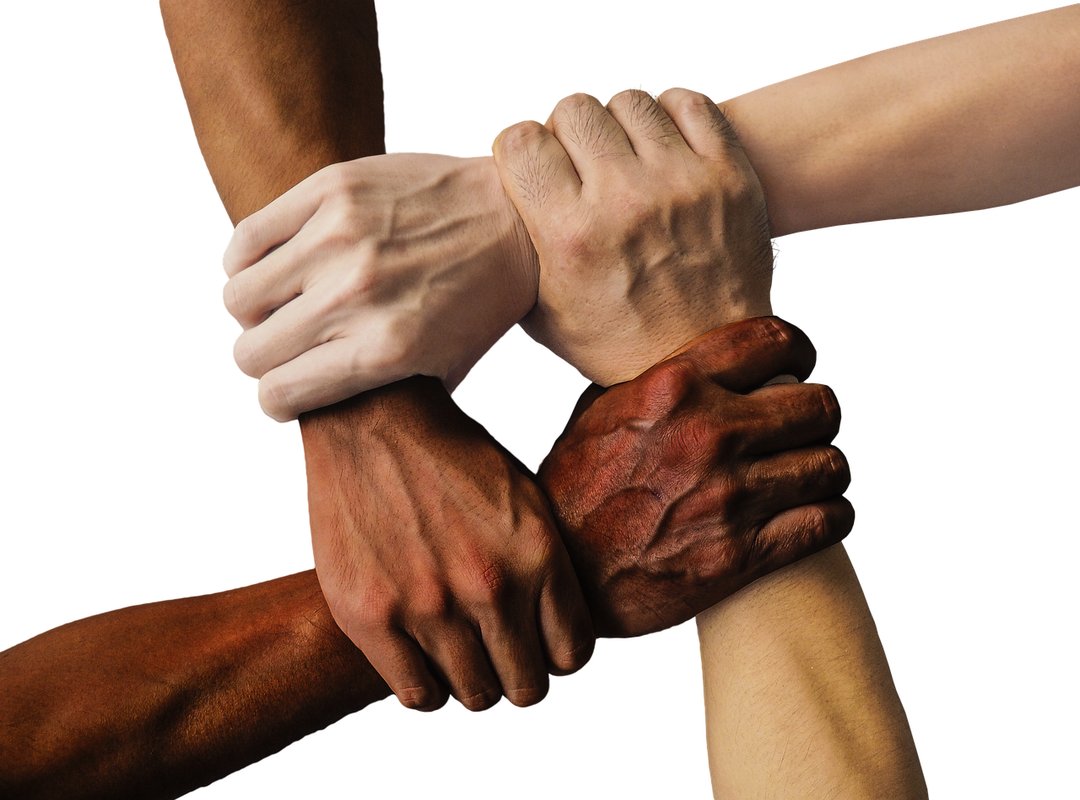
Finding the right community can change your life. It’s about feeling seen, heard, and supported.
Start with Local LGBTQ+ Organizations
Check out local LGBTQ+ organizations. Many have specific subgroups for people of colour, Southeast Asians, or Muslims. These groups offer a safe space to connect with others who share similar experiences.
Explore Online Spaces
Online, you can find supportive communities too. Private Facebook groups, dedicated subreddits, and Instagram pages that focus on queer Asian representation are great places to start. For example, if you’re a malay lesbian, finding a group that specifically supports and understands your unique challenges can be incredibly empowering.
The Power of Chosen Family
Building a strong network of supportive friends and allies—your chosen family—is crucial. These are the people who understand and affirm your identity. They can provide the emotional support and validation you might not get from your biological family.
Tips for Allies
If you’re an ally, friend, or family member, there are ways to be more supportive. Listen without judgment. Educate yourself about the issues and experiences of the LGBTQ+ community.
Use inclusive language, and small gestures can make a big difference.
Prioritize Safety and Privacy
When joining new online groups, be cautious, and ensure the spaces are safe and respectful. Always prioritize your emotional and physical well-being.
If something feels off, trust your instincts and step back.
Finding the right community means you don’t have to go through life alone. It’s about having a support system that lifts you up and helps you thrive.
Frequently Asked Questions and Paths Forward
Question 1: Is it possible to be religious and a lesbian?
Many individuals find ways to reconcile their faith and sexuality. This often involves adopting progressive interpretations of religious texts or focusing on a personal, spiritual relationship that embraces both aspects of their identity.
Question 2: How do I talk to my family about my identity?
Start by confiding in the most likelyly supportive family member.
Prepare for a range of reactions and always prioritize your personal safety.
Question 3: Where can I find mental health support that understands my cultural background?
Seek therapists who specialize in LGBTQ+ issues and have experience with cross-cultural or third-culture clients.
This can provide a more nuanced and understanding approach to your specific needs.
Navigating a complex identity is a journey. Finding community and self-acceptance is a powerful and valid goal.

 Ask Tyler Mapleronsic how they got into emerging technology trends and you'll probably get a longer answer than you expected. The short version: Tyler started doing it, got genuinely hooked, and at some point realized they had accumulated enough hard-won knowledge that it would be a waste not to share it. So they started writing.
What makes Tyler worth reading is that they skips the obvious stuff. Nobody needs another surface-level take on Emerging Technology Trends, Software Development Best Practices, Expert Insights. What readers actually want is the nuance — the part that only becomes clear after you've made a few mistakes and figured out why. That's the territory Tyler operates in. The writing is direct, occasionally blunt, and always built around what's actually true rather than what sounds good in an article. They has little patience for filler, which means they's pieces tend to be denser with real information than the average post on the same subject.
Tyler doesn't write to impress anyone. They writes because they has things to say that they genuinely thinks people should hear. That motivation — basic as it sounds — produces something noticeably different from content written for clicks or word count. Readers pick up on it. The comments on Tyler's work tend to reflect that.
Ask Tyler Mapleronsic how they got into emerging technology trends and you'll probably get a longer answer than you expected. The short version: Tyler started doing it, got genuinely hooked, and at some point realized they had accumulated enough hard-won knowledge that it would be a waste not to share it. So they started writing.
What makes Tyler worth reading is that they skips the obvious stuff. Nobody needs another surface-level take on Emerging Technology Trends, Software Development Best Practices, Expert Insights. What readers actually want is the nuance — the part that only becomes clear after you've made a few mistakes and figured out why. That's the territory Tyler operates in. The writing is direct, occasionally blunt, and always built around what's actually true rather than what sounds good in an article. They has little patience for filler, which means they's pieces tend to be denser with real information than the average post on the same subject.
Tyler doesn't write to impress anyone. They writes because they has things to say that they genuinely thinks people should hear. That motivation — basic as it sounds — produces something noticeably different from content written for clicks or word count. Readers pick up on it. The comments on Tyler's work tend to reflect that.