
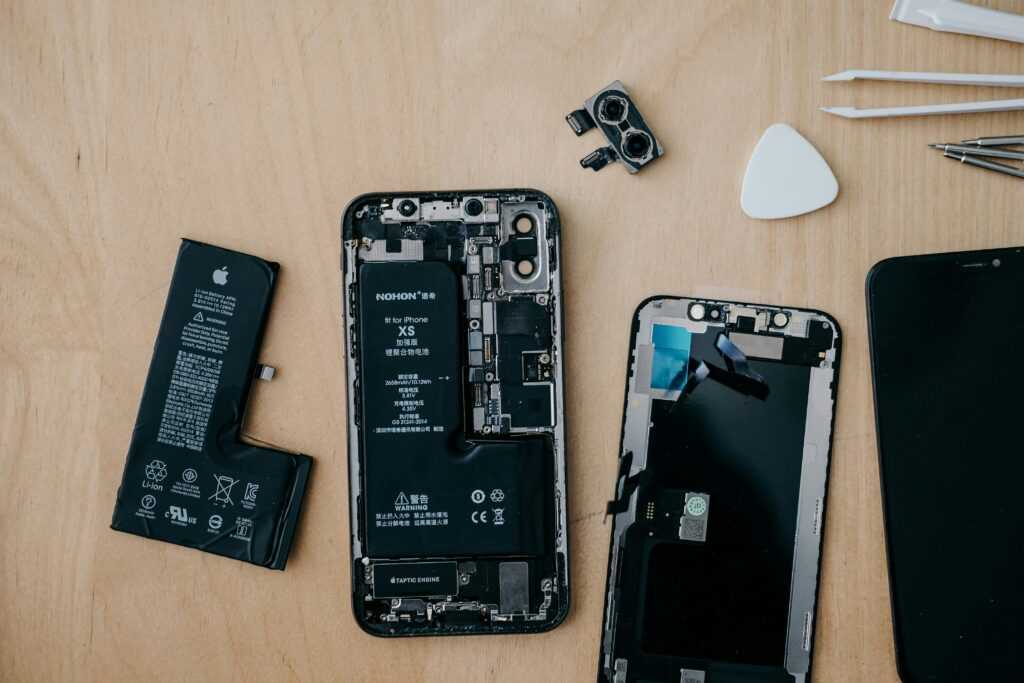
A cracked phone screen can create a difficult choice. Repairing it may extend the device’s useful life, but the cost can vary dramatically between models and repair methods. A simple screen on an older budget phone may be relatively inexpensive, while a modern flagship or foldable device can require a much larger repair budget.
The damage itself is only one part of the calculation. Display technology, replacement-part quality, labor, frame condition, and the phone’s remaining market value all influence whether repair makes financial sense.
Why the Same Crack Can Cost Very Different Amounts
Screen repair pricing begins with the phone model. Manufacturers use different display assemblies, frame designs, adhesives, touch layers, and biometric components. Repairing one model can therefore require very different parts and labor from another.
Display type is particularly important. LCD panels are generally less expensive to manufacture than premium OLED assemblies, although actual replacement costs depend heavily on the specific device. OLED technology can provide deeper blacks, high contrast, thin construction, and other benefits, but replacement assemblies can be costly.
The extent of damage matters too. A simple front-glass issue may be treated differently from a broken display assembly with touch failure, dead pixels, frame damage, or internal damage. Some repair systems replace only the damaged component, while others replace a larger module.
A phone with a bent frame presents another problem. Even if the visible crack appears limited to the screen, a damaged frame can prevent a replacement from fitting correctly or indicate additional internal damage.
LCD, OLED, OEM, and Aftermarket Parts Change the Calculation
The replacement part is one of the biggest variables in repair cost. Original manufacturer parts are designed for the intended device and generally offer the closest match to the original screen’s brightness, color, touch response, and fit.
Aftermarket displays can cost less, but quality varies. A cheaper component may differ in brightness, color accuracy, touch sensitivity, refresh rate, durability, or power consumption. Not every aftermarket screen performs poorly, but buyers should understand that “compatible” does not necessarily mean identical.
Labor is another cost. A repair technician must disassemble the phone, remove the damaged assembly, install the replacement, test the device, and address any sealing or calibration requirements. Complex designs can take more time and require specialized tools.
Published prices illustrate how wide the range can be. Samsung’s current US repair listings, for example, show screen repair prices ranging from around $99 for some older or lower-cost models to several hundred dollars for higher-end and foldable devices. The manufacturer also states that prices can vary by region and service location.
That variation is why a generic “average repair cost” can be misleading.
What the Damage Looks Like Matters
A cracked outer surface does not always mean the entire display has failed. If the image remains clear and touch works normally, the repair path may differ from a phone with black spots, colored lines, flickering, dead touch areas, or complete display failure.
A technician should inspect the device before a final price is accepted. The screen is only one part of the phone. The frame, cameras, charging port, buttons, battery, and internal components may also have been affected by the impact.
Water exposure complicates matters further. Moisture can cause corrosion or delayed failures that are not obvious during a quick visual inspection. A screen replacement may restore display function without solving deeper damage.
Owners should therefore avoid assuming that a cracked screen is an isolated problem. A diagnostic inspection can reveal whether repair is likely to restore normal use.
Repair, Replace, or Trade In?
Repair makes more sense when the phone is otherwise in good condition and the repair cost represents a reasonable portion of the device’s current value. A relatively recent phone with a strong processor, healthy battery, and intact frame may justify spending more on a quality repair.
Replacement becomes more attractive when several expensive components are failing. If a phone needs a screen, battery, charging port, and other repairs at the same time, the combined cost may approach the price of a more reliable replacement device.
Trade-in is another possibility. Some trade-in programs accept damaged phones, although the offered value can be reduced substantially when the screen is broken. Owners should compare the repair estimate with the phone’s expected value after repair rather than comparing repair cost with its original purchase price.
When comparing repair options, how much does it cost to fix a phone screen is a useful question to explore, since the price can depend on the phone model, part quality, damage, and labor.
Get a Repair Quote Based on the Actual Device
An accurate estimate should identify the exact phone model and the type of replacement part. The technician should also explain whether the quoted amount covers labor, testing, and any additional components.
Warranty status can change the calculation. Manufacturer warranties generally do not cover accidental damage in the same way as defects, while protection plans may have separate deductibles and eligibility requirements.
Samsung’s current repair information, for example, distinguishes repair services and provides model-specific pricing rather than one universal screen replacement figure.
The owner should also ask whether the replacement is an original manufacturer part, an approved alternative, or an aftermarket component. That distinction affects expectations for quality and price.
Final Analysis
Phone screen repair is not a single-price service. The model, display technology, replacement part, labor requirements, and extent of damage all affect the final bill.
Owners should evaluate the phone as a whole. If the device is otherwise healthy and the repair restores substantial remaining useful life, fixing it may be reasonable. If several expensive problems exist, replacement or trade-in may make more sense.
The safest approach is to obtain a device-specific estimate, understand what part is being installed, and compare that cost with the phone’s current value. A repair decision based on the original purchase price alone can produce the wrong result.

 Elena P. writes the kind of tech news and innovations content that people actually send to each other. Not because it's flashy or controversial, but because it's the sort of thing where you read it and immediately think of three people who need to see it. Elena has a talent for identifying the questions that a lot of people have but haven't quite figured out how to articulate yet — and then answering them properly.
They covers a lot of ground: Tech News and Innovations, Emerging Technology Trends, Practical Software Tips, and plenty of adjacent territory that doesn't always get treated with the same seriousness. The consistency across all of it is a certain kind of respect for the reader. Elena doesn't assume people are stupid, and they doesn't assume they know everything either. They writes for someone who is genuinely trying to figure something out — because that's usually who's actually reading. That assumption shapes everything from how they structures an explanation to how much background they includes before getting to the point.
Beyond the practical stuff, there's something in Elena's writing that reflects a real investment in the subject — not performed enthusiasm, but the kind of sustained interest that produces insight over time. They has been paying attention to tech news and innovations long enough that they notices things a more casual observer would miss. That depth shows up in the work in ways that are hard to fake.